Treatment
Therapeutic services.
Goals are set with you and your child. Sessions teach concrete skills, practice them in real life, and build the confidence to keep going.
Anxiety management
separation, social, specific phobias, selective mutism, generalized anxiety, panic disorder
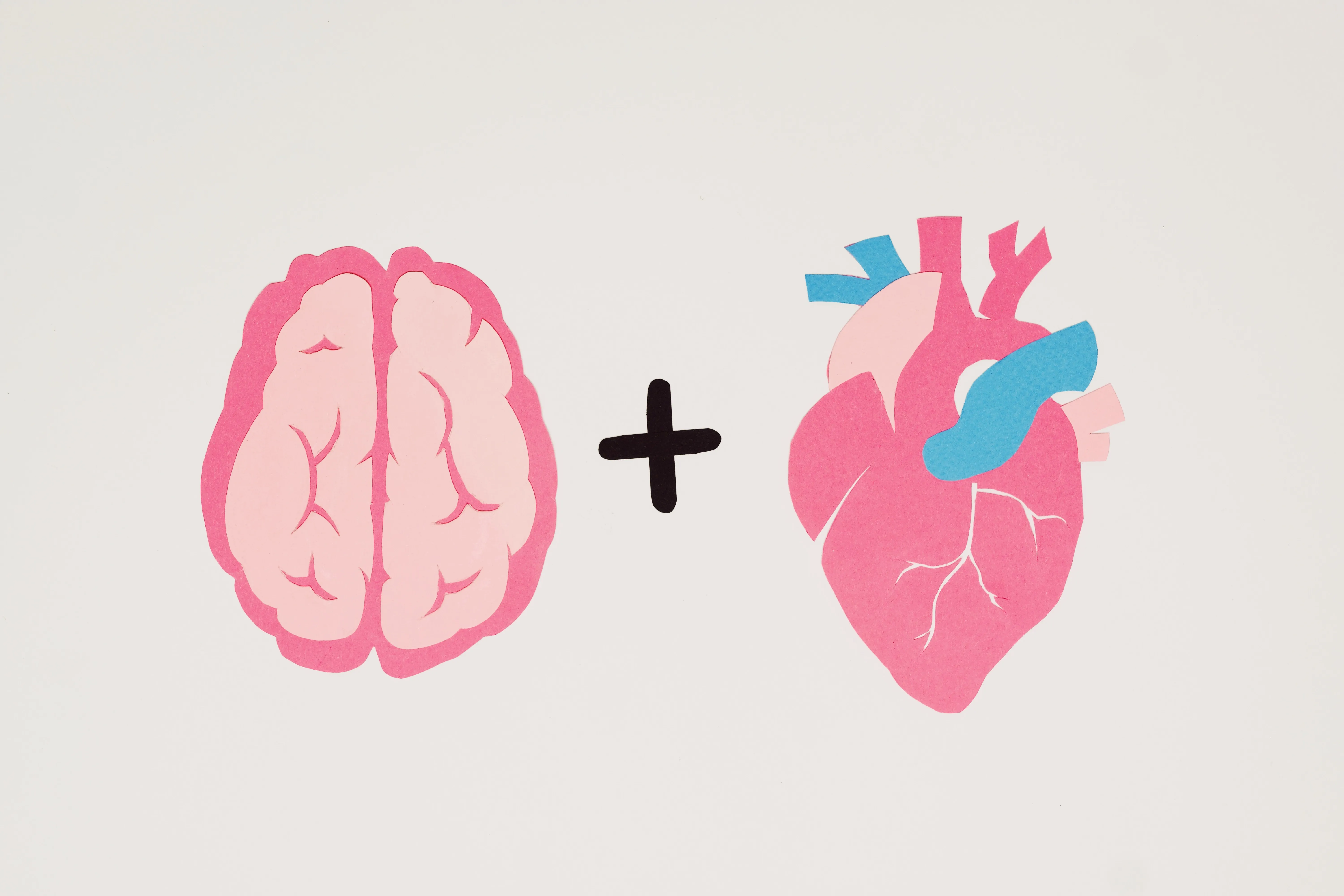
Using strategies based in Cognitive Behavioural Therapy (CBT), treatment for anxiety management is intended to help children and youth initiate and sustain their participation in occupations that have been impacted by anxiety. For instance, if there are ongoing worries or physical anxiety symptoms that interfere with sleep, attending school, joining extra-curricular activities, engaging in social activities, completing school presentations, performing up to their abilities on tests/exams, etc. Anxiety management treatment can also target panic attacks and specific phobias that are affecting daily functioning.

Emotional regulation
Treatment for emotional regulation is focused on providing strategies for managing anger, frustration, and other intense emotions that may result in externalizing behaviours (e.g. yelling, arguing, physical aggression, etc.) and negative consequences (e.g. being grounded, getting detention, etc.). The goal is to learn more adaptive methods of working through strong feelings.
Fine motor skills
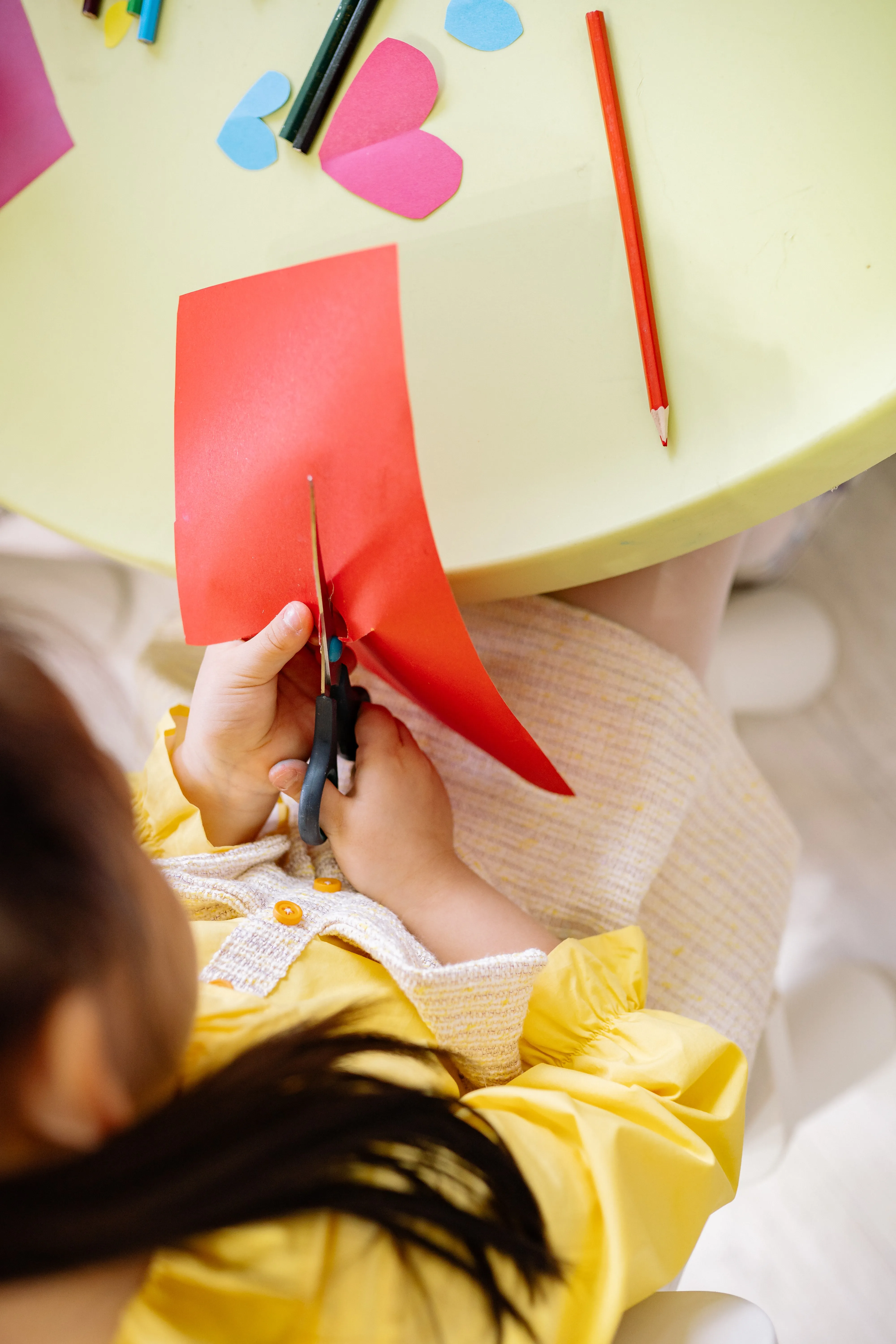
Fine motor skills treatment is completed using an OT-created program called the Cognitive Orientation to daily Occupational Performance (CO-OP) approach. Working collaboratively with the child and their parents, specific goals will be set for improving participation in chosen fine motor tasks, such as tying shoelaces, using scissors, fastening buttons, throwing & catching a ball, etc.

Organizational and study skills
Children and youth who struggle with planning, prioritizing, time management, managing due dates, studying, taking tests, and keeping track of their belongings may benefit from treatment in organizational and study skills. This treatment involves identifying specific areas of difficulty, and then targeting those areas by teaching practical strategies and trialing a range of low- and high-tech tools.

Parent coaching and education
Parent coaching and education is available for parents who are interested in gaining a better understanding of their child’s mental health diagnosis (e.g. ASD, ADHD, anxiety disorders). Parenting strategies can also be provided to assist with coaching children through anxiety-provoking situations, managing challenging or disruptive behaviours, supporting children’s organizational skills, and/or increasing independence in daily tasks.

Post-secondary planning and vocational skills
Adolescents or young adults who are struggling to make a long-term career plan or find part-time employment can access treatment focused on post-secondary planning or vocational skills. Post-secondary planning typically involves completing an assessment to determine potential career paths that may be of interest, and then working with the youth to explore and evaluate those options. Vocational skills treatment can include assistance with job searching, writing a résumé, writing a cover letter, and completing interviews.
Life skills and independence
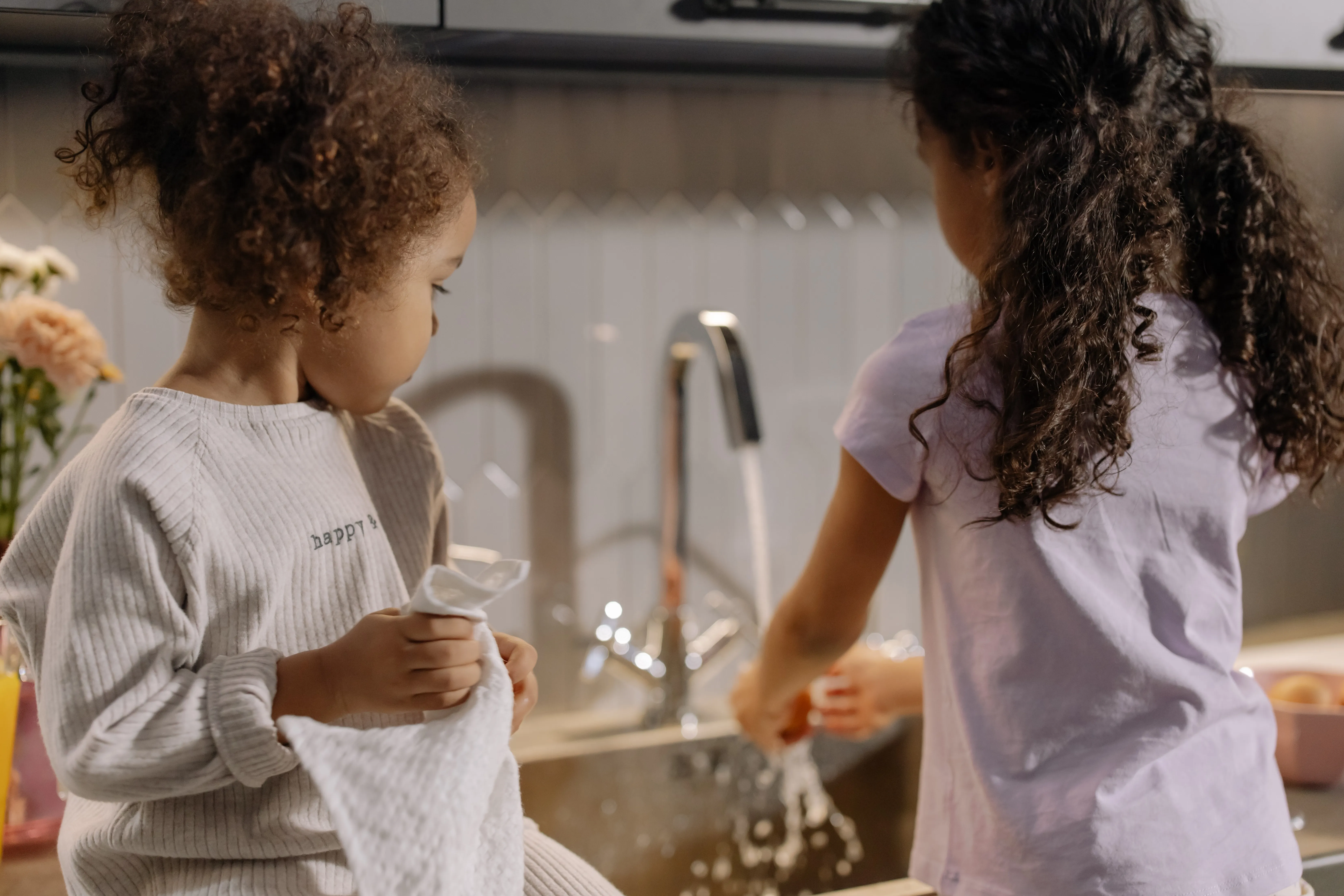
The focus of life skills and independence treatment is to set specific goals for the completion of developmentally appropriate activities of daily living. These activities can include tasks involved in self-care (e.g. hygiene, cooking, medication management, sleeping), productivity (e.g. household chores, errands), and leisure (e.g. accessing and initiating recreational hobbies and/or social activities).

Sensory difficulties
using goal-setting and gradual exposure
Treatment for sensory difficulties (e.g. over-sensitivity to clothing textures, noise, or other specific sensory inputs, restricted eating habits, etc.) is completed using goal-setting, gradual exposure, teaching self-regulation strategies, and providing parental tools, coaching, and support. This is intended to target sensitivities that are impacting children’s ability to participate in daily occupations, such as joining mealtimes with their family, remaining in loud environments, or dressing appropriately for the weather or situation.